




Game info
Hotel management, Idle arcade, Simulation
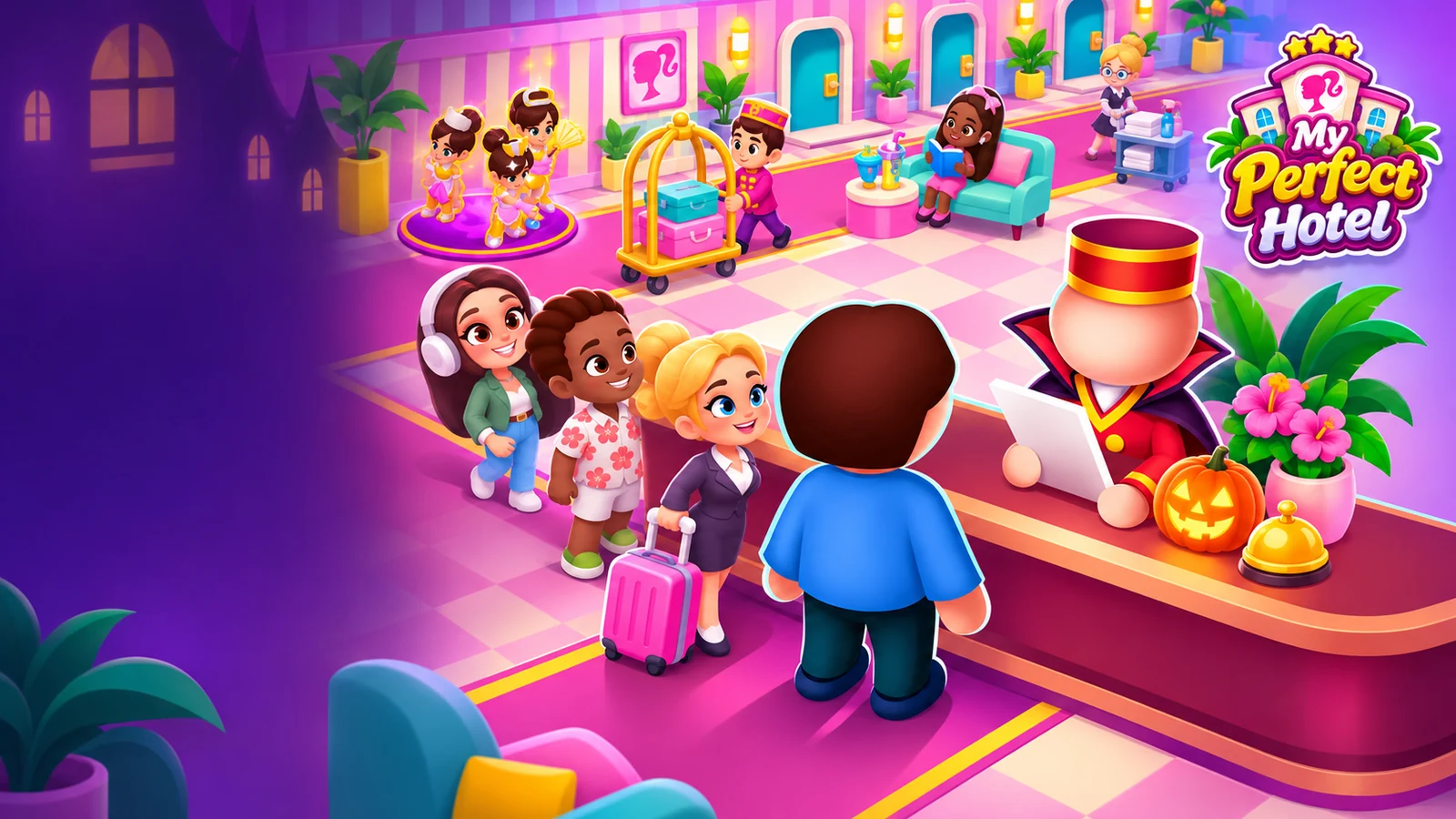
My Perfect Hotel turns hotel work into a continuous service loop. Preparing rooms, receiving guests and collecting earnings creates the money needed to improve the property and reduce bottlenecks.
About My Perfect Hotel
My Perfect Hotel turns hotel work into a continuous service loop. Preparing rooms, receiving guests and collecting earnings creates the money needed to improve the property and reduce bottlenecks.

Gameplay overview
Move between service points, prepare what guests need and collect income. More rooms increase the possible workload as well as the potential earnings. Upgrades and helpers are valuable when they remove the task that is currently slowing the whole hotel down.
How to Play
Watch where guests are waiting before buying the next upgrade. If rooms are ready but the front desk is blocked, more room capacity will not solve the queue. Keep a short route between the most frequent tasks and invest in the activity you repeat most often. Expand at a pace you can keep supplied.
Controls
drag the movement control and walk to activity points. Browser edition: recorded keyboard or joystick movement, depending on the build.
Pro Tips
- Identify the current service bottleneck.
- Prioritise high-frequency tasks when upgrading.
- Keep an efficient path through the hotel.
- Check which tasks a helper actually automates.
Making Better Decisions
Follow a guest’s journey through the hotel to diagnose the next useful investment. A room needs preparation before it can serve a new visitor, and income is only useful when it is collected and converted into an improvement that helps the current flow. If several tasks are waiting, choose the one that releases the largest queue rather than visiting them in an arbitrary order. A helper is valuable when it reliably removes a repeated task, but a new floor or room can create extra work elsewhere. Compare the hotel before and after one upgrade so its effect is visible. This makes the service loop easier to understand and avoids describing every management game as the same set of rooms, staff and unlocks.
Features, Modes and Progression
The native game’s hotels and upgrades are specific to its current release. The same-title browser build is inspected separately before attributing features or saves to it.
Find the service bottleneck
When several tasks need attention, ask which one is preventing the others from progressing. Carrying supplies, preparing rooms and serving guests do not always deserve the same priority at the same moment. Follow one guest-facing process from beginning to end and notice where it waits. Improving that point can be more useful than upgrading an activity simply because it is currently affordable.
Plan an upgrade around a visible need
Read what the current upgrade changes and compare it with the problem on the floor. An improvement that addresses a queue or repeated trip has a clearer purpose than one bought without watching the operation. Keep enough attention on the running hotel to see whether the change actually helps. A larger operation still needs a workable service rhythm.
From bellhop duties to running a larger hotel
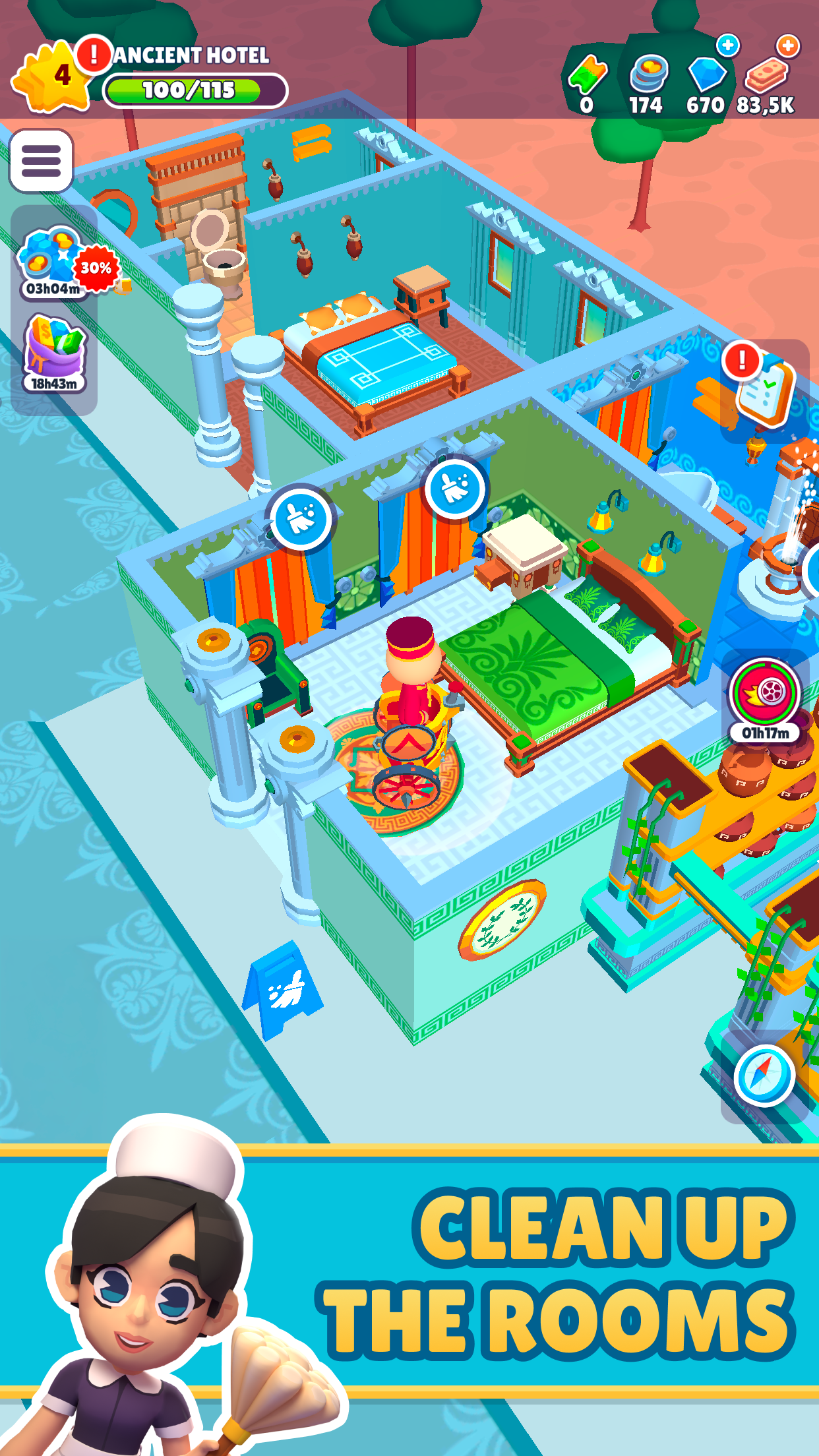
My Perfect Hotel begins with recognisable service work. The published product describes cleaning rooms, greeting guests at reception, collecting payments and tips, and keeping bathroom supplies stocked. These are different stages in a guest's visit, not one shared task. A room can be ready while another service still needs attention, so look at what is preventing the next person from moving forward.
The bellhop-to-manager progression makes the growing building a practical management problem. More facilities mean more possible journeys and dependencies. Understand the original service loop before expanding it. A route that works for a few rooms may need another staffing or supply decision once demand increases.
Staff, room upgrades and property improvements
The official game describes investing in staff and improving rooms and facilities as the hotel develops. Each purchase should be connected to a recurring delay. A helper can cover a particular job while the player handles another, but its value depends on which task was consuming the most useful attention.
Observe a familiar cycle after making an improvement. A faster station can move the queue to the next part of the service chain rather than removing every delay. That result is informative: it identifies what the larger hotel now needs. The visual expansion is more satisfying when it comes with a workflow you can still run clearly. A successful hotel is not simply the one with the most rooms visible; it is the one whose guests, services and staff connect into an understandable routine.
A hotel is a route between jobs
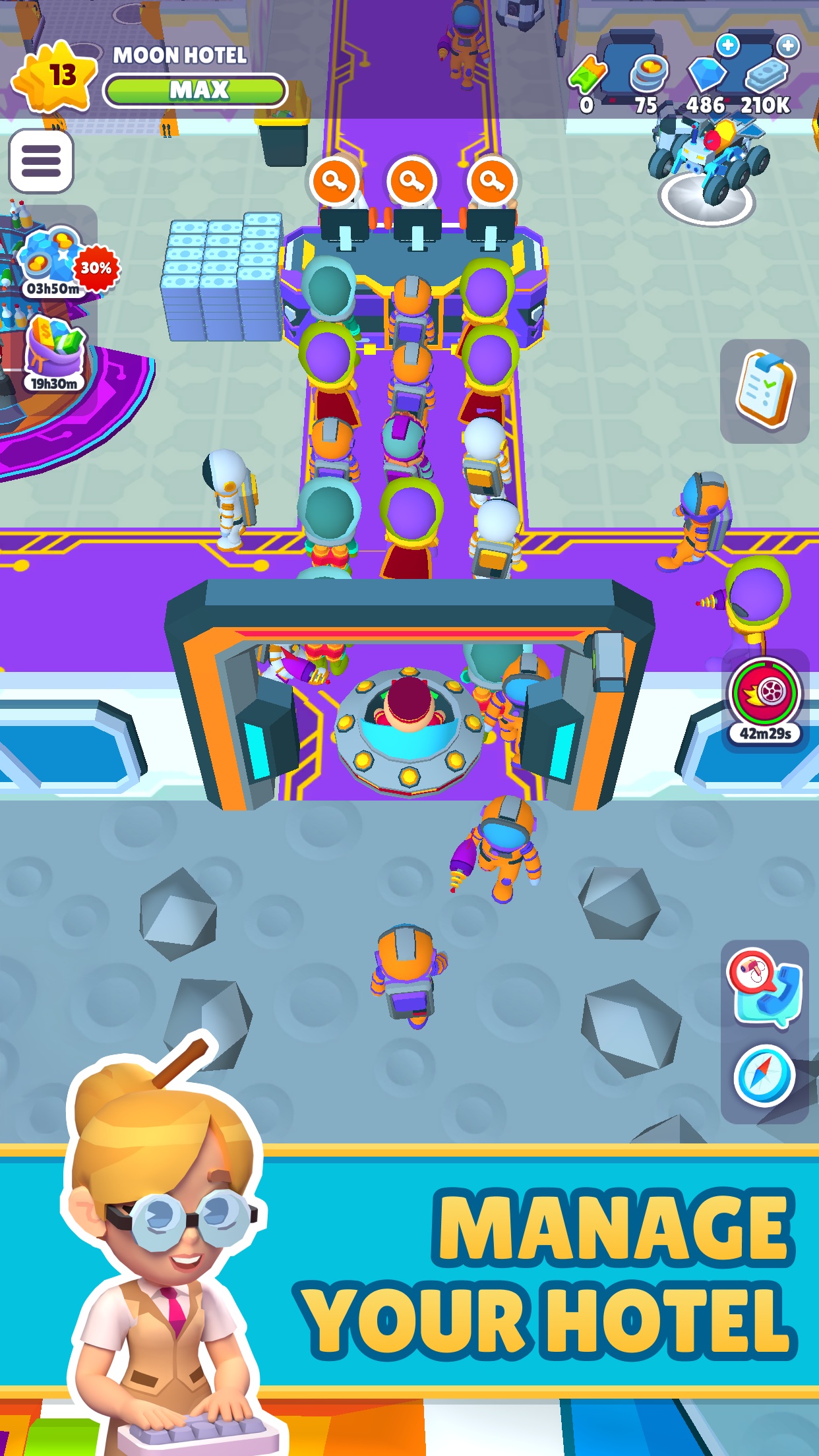
My Perfect Hotel turns movement around a building into a management puzzle. The reception desk, rooms and service tasks all ask for attention, but walking between them also uses time. Begin by identifying which job is preventing a guest from moving forward. A short trip that removes that blockage can be more useful than completing an easy task on the far side of the hotel.
Look at the route as a loop rather than a list of unrelated stops. If you can collect something on the way to another task, the journey may serve two purposes. Repeatedly crossing the same corridor empty-handed can reveal an inefficient routine. The aim is not to move constantly; it is to make movement support the next useful service action.
Reception, rooms and the next bottleneck
The busy part of a hotel changes as it develops. A reception queue, a room waiting to be prepared or an unfinished service task can each hold up the flow. Watch which condition is recurring before choosing an upgrade. Improving a station that is already keeping up may have less effect than relieving the place where guests repeatedly wait.
After making a change, run through a familiar service cycle and observe the result. Did guests move through the hotel more smoothly, or did the queue simply move somewhere else? That comparison helps you see the next bottleneck. A management game becomes easier to understand when expansion and workflow are considered together.
Hiring help without losing the overall picture
When staff or automation options become available, read which task they actually cover. An assistant can reduce repeated work without completing every other job in the building. Notice what still needs the player's movement and which part can now operate while you visit another area. This creates a new route rather than removing the need for planning.
Compare staffing with the current scale of the hotel. A useful helper should solve a task that is regularly taking attention away from something important. Avoid assuming that the newest available purchase is automatically the next best one. The value of an upgrade is the problem it removes from the actual service cycle.
Expansion should leave the building readable
Opening another area adds possibilities and also more places to visit. Before expanding, understand how the existing rooms are supplied and serviced. A new section can multiply a supply problem that was already slowing the original one. Give the route time to settle after a change so you can distinguish a temporary rush from a recurring constraint.
Keep landmarks in mind as the hotel grows. A recognisable reception point, corridor or service area helps you choose the next trip without wandering. On a small screen, a comfortable view and clear input make those decisions easier. Confirm whether the selected player uses a pointer, keyboard or touch movement before beginning a busy cycle.
A useful management session and official information
For a short session, choose one recurring delay and improve the routine around it. You might reduce an unnecessary return trip, clear a room blockage sooner or test how a staff upgrade changes the route. Compare a complete cycle before moving on to the next purchase. This gives progress a practical meaning beyond the number of areas opened.
SayGames' My Perfect Hotel page and the store destinations below identify the published game. Use current menus for upgrade costs and available systems. Related hotel, restaurant and service games can offer similar workflow decisions, but their supply and staffing rules differ. My Perfect Hotel is most satisfying when the building grows together with a route you can still understand and run smoothly.
Worked example: the queue is a symptom of a particular delay
Suppose guests are waiting while the player is busy completing a distant task. Look for the action that is actually preventing the next guest from advancing. It may be preparing a room, serving a station or finishing the reception step. Completing an unrelated task can keep the character moving without reducing that blockage.
Trace one guest's route through the available services. Identify which part needs the player's attention and which part can already continue independently. This turns a busy screen into a sequence of dependencies. An upgrade is then easier to compare because you know which dependency it should remove or shorten.
Worked example: an upgrade that moves the problem elsewhere
Improving one station can increase the demand on the next. After a purchase, observe a familiar service cycle instead of buying another upgrade immediately. Has the original queue improved, and where do guests now wait? That second bottleneck is useful information about the hotel's current balance.
The same reasoning applies to a helper. Read which task the staff member covers and then reorganise the player's route around what still needs attention. A useful helper creates a more manageable workflow; it does not automatically remove every supply or service requirement in the building.
A route that is easy to repeat
For a short session, choose a loop you can perform clearly: collect, prepare, serve and return to the next useful starting point. Notice repeated empty trips or visits to a station that cannot yet progress. Those observations suggest a route change without requiring a new purchase. Keep the controls comfortable and the building visible enough to identify queues. A service game remains enjoyable when each trip has a reason and an expanded hotel still feels understandable rather than simply larger.
Related games
Frequently asked questions
Why are guests waiting even after I buy rooms?
Another service point, such as reception or preparation, may be the bottleneck.
What is the best upgrade?
The useful choice is the one that removes the task limiting the hotel’s current service flow.
Who develops or publishes My Perfect Hotel?
SayGames Ltd
Which controls should I use?
Native: drag the movement control and walk to activity points. Browser edition: recorded keyboard or joystick movement, depending on the build.
Is it free?
The observed Google Play listing is free to download and offers in-app purchases. A browser alternative has its own provider terms and may include adverts.
Can I use my official account or saved progress in a browser alternative?
No account, purchase or save transfer is established unless the developer explicitly documents it for that build.
What games should I try next?
Compare My Perfect Hotel, hotel management, idle hotel, hotel tycoon. The related list prioritises shared mechanics and preserves each game’s real identity.
Good game? Tell us.0
Share a tip, celebrate a high score, or tell us what you think. Keep it friendly.